
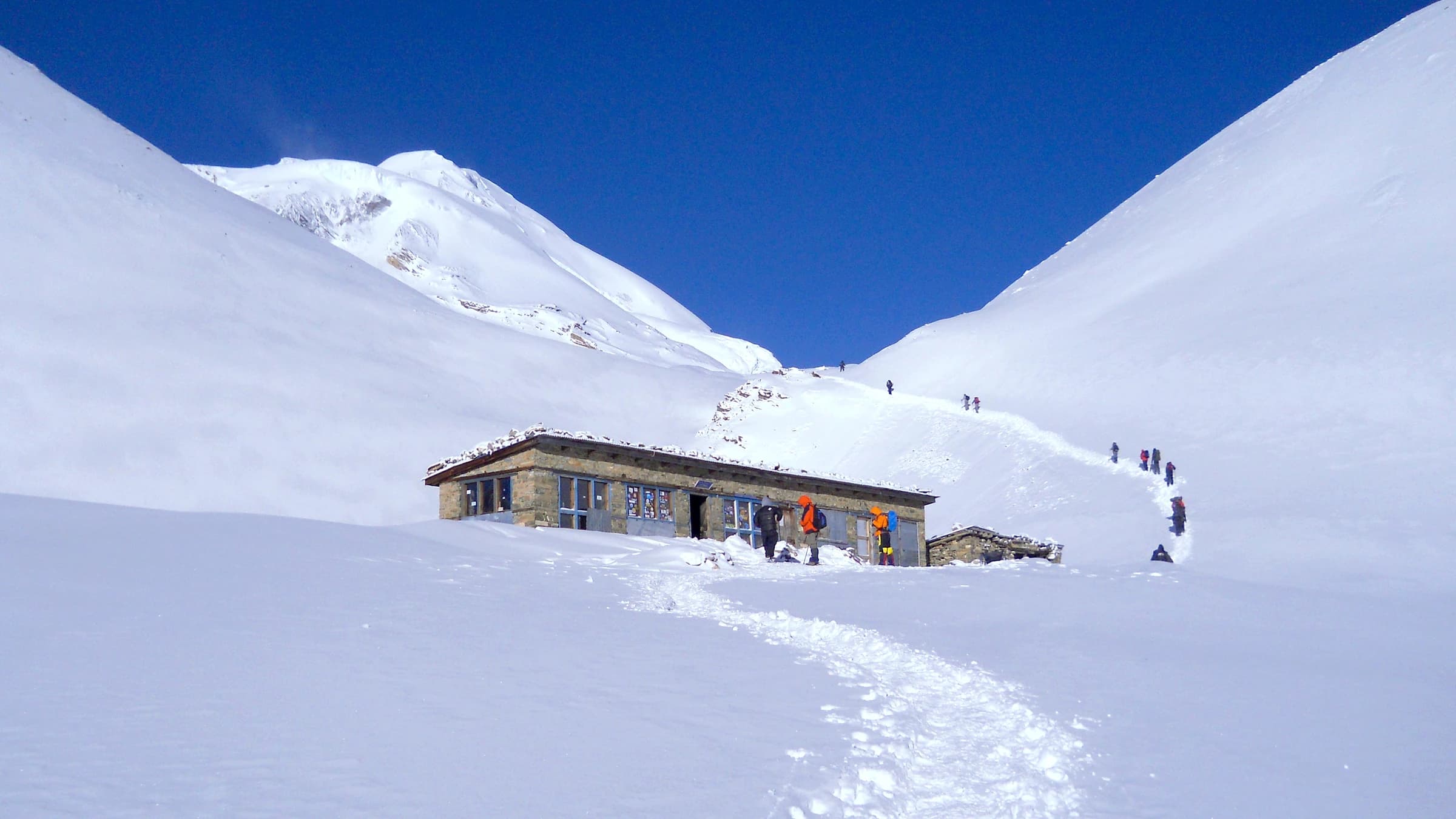
The Circuit is not one fixed line
The Annapurna Circuit has changed over time and hikers now complete different combinations of trail, road, side route, start point, end point, and transport. Weather, access, landslides, time, acclimatisation, and local advice can alter an itinerary. That makes a single exact distance or one universal completion rule inappropriate for every record.
Your application should describe the route you actually took. State the walking dates, start and end, major side trips, and any section covered by vehicle. Verified Hikes uses reviewed distance only when the data supports it and otherwise presents safe variable-distance wording. The certificate should match the evidence, not an idealised historical route.
GPS evidence across multiple days
Daily GPX, FIT, TCX, or activity links can provide strong evidence. Name the sequence in your description and explain a missing day, device change, or recording interruption. A road and trail may run near each other, so route shape alone may not establish whether a section was walked. Your narrative and supporting context matter.
Thorong La and steep valley terrain can affect devices and batteries. Reviewers should assess broad continuity, dates, plausible movement, and route correspondence without treating ordinary drift as failure. GPS stays private and public verification does not reveal exact coordinates.
Explain transport sections directly
Road transport is common on parts of the modern circuit. If you used a jeep, bus, or motorcycle, say where and why. This does not erase the walking achievement, but it may affect the scope of the record or wording. Hiding transport creates a more serious review problem than declaring it.
If the application requests a section certificate or a route variant, make the boundary clear. A reviewer may ask for clarification when the narrative, dates, and track suggest different start or end points. One concise answer can often resolve the issue.
Photos, stamps, and permits
Dated photographs at settlements, passes, valley landmarks, accommodation, or the finish can support route progression. Trail stamps, checkpoint records, permits, and bookings may add timing and presence context. They are supporting items rather than automatic proof of walking every section.
Redact unnecessary permit numbers and personal details. Do not upload a passport or identity document unless support explains a specific need and secure handling. Original photographs and documents remain private. The certificate and QR page receive only a safe summary and verification level.
Side trips and acclimatisation
Side trips such as Tilicho Lake, acclimatisation walks, or additional valley routes can create distance and date patterns that differ from a standard itinerary. Mention them without trying to force every kilometre into the core Circuit claim. If the side trip is central to the certificate you want, support may recommend a separate or future route record.
Rest and weather days should remain in the date range when they are part of the journey. Verified Hikes is not measuring speed or ranking performance. A slower itinerary is not weaker evidence when the route and dates remain coherent.
Clarification examples
A reviewer might ask where a missing activity day fits, whether a road section was walked, why the GPS line jumps between settlements, which route was used around a closure, or whether the submitted permit belongs to the stated trip. A good response answers the exact question and adds only the necessary item.
Do not respond by uploading an unstructured archive. Clarification should make the record easier to understand. If no additional evidence exists, say so. The reviewer can then decide whether the existing material supports the requested level, a narrower claim, or rejection.
Independent certificate wording
An Annapurna Circuit certificate confirms an evidence-review decision by The Verified Hikes Registry. It is not an official certificate from Nepal, a permit authority, municipality, conservation body, guide association, or trail operator unless an approved relationship is explicitly shown. It does not certify safety, altitude fitness, immigration status, or current route conditions.
The live verification page is designed to make copied PDFs less misleading. It shows current status and integrity metadata while keeping raw proof private. Revoked or reissued records remain visible as historical states where policy permits.
Evidence quality matters more than itinerary prestige
The registry does not rank one variant above another or treat a faster crossing as more deserving. Review is about whether the requested record is supported. A carefully documented shorter or modern route is stronger than an exaggerated claim built around a historic distance. This also means a permit from a famous area or a photograph at a well-known pass does not replace evidence for the wider completion.
Use the certificate title and narrative to describe the achievement accurately. If the route is materially different from the published trail scope, contact support or request a route update before payment. Conservative wording protects the hiker from an avoidable rejection and protects the registry from implying a standard that the modern Circuit does not have.
File and privacy preparation
Check each activity’s date and endpoint, remove unrelated private approaches using a trusted source tool, and avoid full account archives. Select photographs that add route context rather than uploading an entire camera roll. Redact unnecessary permit numbers while preserving the date and relevant area. Keep original files until review is complete.
The dashboard accepts supported GPS, image, and PDF formats within configured count and size limits. Duplicate content is rejected by hash and unsafe files remain blocked from review. Public verification receives no original file data, even when the certificate level says GPS Evidence Reviewed.
Annapurna Circuit proof checklist
Provide the actual start, end, walking dates, route variant, and transport sections. Upload the strongest route files available, then add a small number of photos, stamps, permits, bookings, or confirmation items that clarify the itinerary. Review privacy-sensitive data before upload and use the dashboard rather than email.
The route’s complexity is a reason for careful context, not for exaggerated certainty. A transparent narrative plus consistent evidence lets the registry issue a certificate with wording that is both meaningful and defensible.